How to Ensure Your Small Excavators Meet International Standards
For importers, distributors, and rental companies, international standards are not just paperwork. They determine whether a machine can legally enter a country, pass customs inspection, and be used safely by customers.
Many buyers have experienced this situation:
The machine looks fine, the price is attractive, but when it arrives in Europe or North America, it fails certification checks or emission requirements. The result? Delays, penalties, or machines that cannot be sold.
Small excavators are widely used in:
- Landscaping
- Agriculture
- Municipal work
- Construction projects
- Rental fleets
Because they operate in tight environments and often close to people, safety and compliance requirements are strict.
This guide explains, in simple terms, how to make sure a small excavator meets international standards before purchasing or importing.
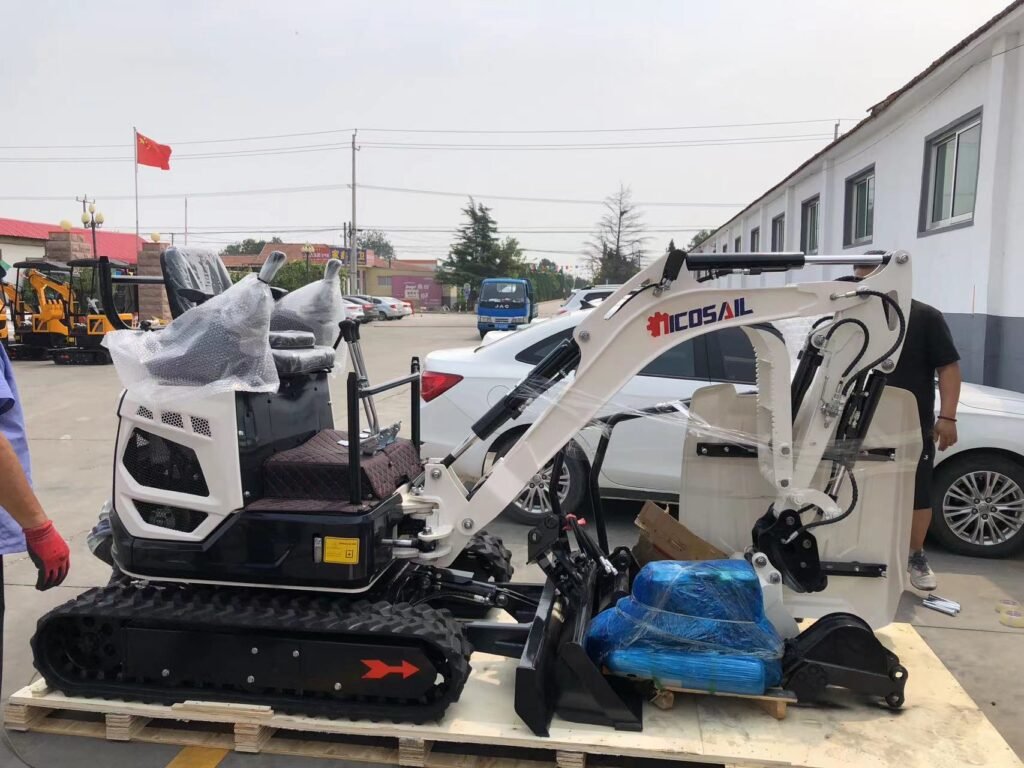
Why International Standards Matter for Small Excavators
International standards exist for three main reasons:
1. Safety
Mini excavators operate near workers, houses, and roads.
Standards ensure machines have:
- Safe structures
- Reliable hydraulic systems
- Emergency shutdown functions
- Operator protection
Without these protections, accidents can happen easily.
2. Legal Market Access
Many countries require specific certifications before machines can be sold.
For example:
- Europe requires CE certification
- The United States requires EPA emission compliance
- Canada often requires CSA safety requirements
- Australia requires strict safety and electrical standards
Without these certifications, customs may reject the shipment.
3. Long-Term Reliability
Machines built to meet international standards usually have:
- Better structural design
- Stronger welding quality
- More reliable components
- More consistent performance
This means fewer breakdowns and better resale value.
The Main International Certifications Buyers Should Know
When importing small excavators, several certifications are commonly required.
CE Certification (European Market)
CE certification confirms that the machine meets European safety regulations.
Key areas include:
- Mechanical safety
- Electrical safety
- Operator protection
- Noise limits
Without CE certification, machines cannot legally be sold in the European Union.
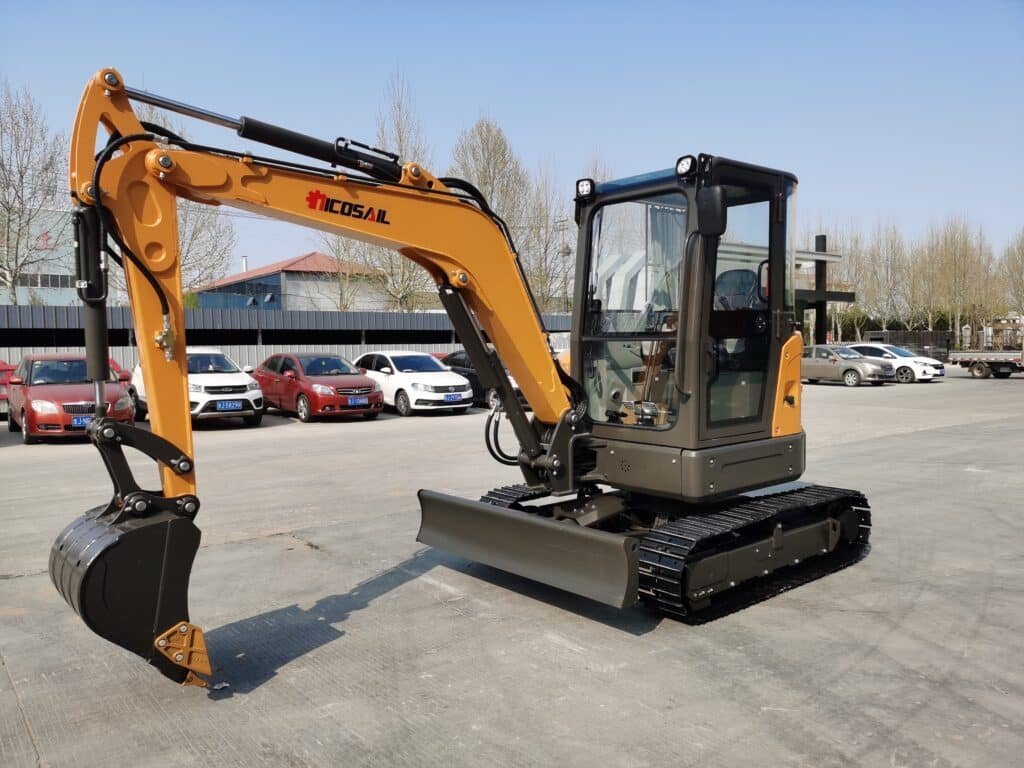
EPA Emission Certification (United States)
The U.S. Environmental Protection Agency regulates engine emissions.
Most mini excavators must comply with EPA Tier 4 emission standards.
This mainly involves:
- Engine emission control
- Fuel efficiency
- Exhaust filtration
Machines with non-compliant engines may be stopped at U.S. ports.
ISO Standards
ISO standards focus on design and manufacturing quality.
Important ISO standards include:
- Machine safety
- Structural integrity
- Hydraulic system performance
These standards help ensure machines are built consistently and safely.
Key Safety Requirements Every Mini Excavator Must Meet
Safety features are one of the most important compliance areas.
Common requirements include:
ROPS Protection
ROPS stands for Roll-Over Protective Structure.
This protects the operator if the machine tips over.
Seat Belt Systems
Most regulations require:
- Operator seat belts
- Secure seat mounting
- Shock-absorbing seats
Emergency Shutdown
Machines must allow operators to quickly stop the engine during emergencies.
Hydraulic Lock System
Many modern mini excavators include hydraulic lock levers.
These prevent accidental movement of:
- Boom
- Arm
- Bucket
This is especially important during maintenance or transportation.
Emission Standards: The Hidden Barrier in Many Markets
Emission regulations are becoming stricter every year.
For small excavators, this usually relates to the engine used in the machine.
Common compliant engines include:
- Kubota
- Yanmar
- Perkins
- Some certified Chinese engines
Buyers should always verify:
- Engine model
- Emission certification
- Serial numbers
Without this information, compliance cannot be confirmed.
Structural Strength and Durability Testing
A small excavator may look similar externally, but internal structure quality varies greatly between manufacturers.
Important structural checks include:
Frame Strength
The machine frame must withstand:
- Heavy digging loads
- Transportation stress
- Continuous vibration
Welding Quality
Poor welding can cause cracks after a few hundred hours of operation.
Factories that export regularly usually perform:
- Weld inspection
- Stress testing
- Structural reinforcement
Boom and Arm Testing
Boom structures should pass fatigue testing to ensure long-term durability.
Reliable factories often simulate thousands of digging cycles.
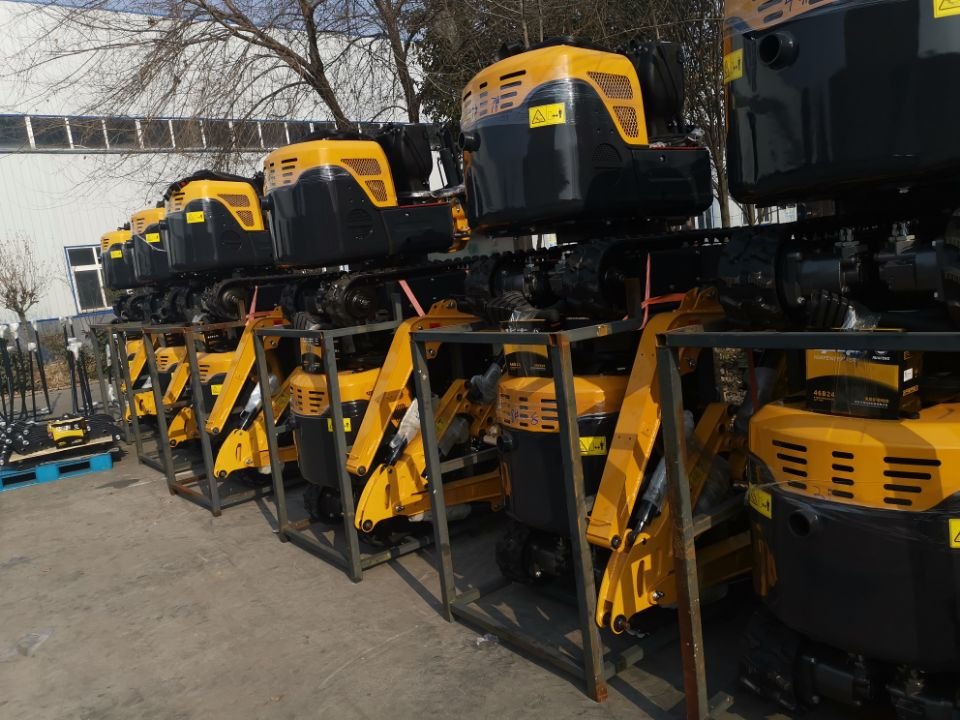
Hydraulic System Safety Requirements
Hydraulic systems control nearly every function of a mini excavator.
Compliance requires:
Leak Prevention
Hydraulic lines must be:
- High pressure rated
- Properly sealed
- Abrasion resistant
Pressure Control
Pressure relief valves prevent system overload.
Without them, hydraulic components may fail suddenly.
Hose Protection
International standards require protective routing of hoses to prevent damage during operation.
Electrical and Control System Compliance
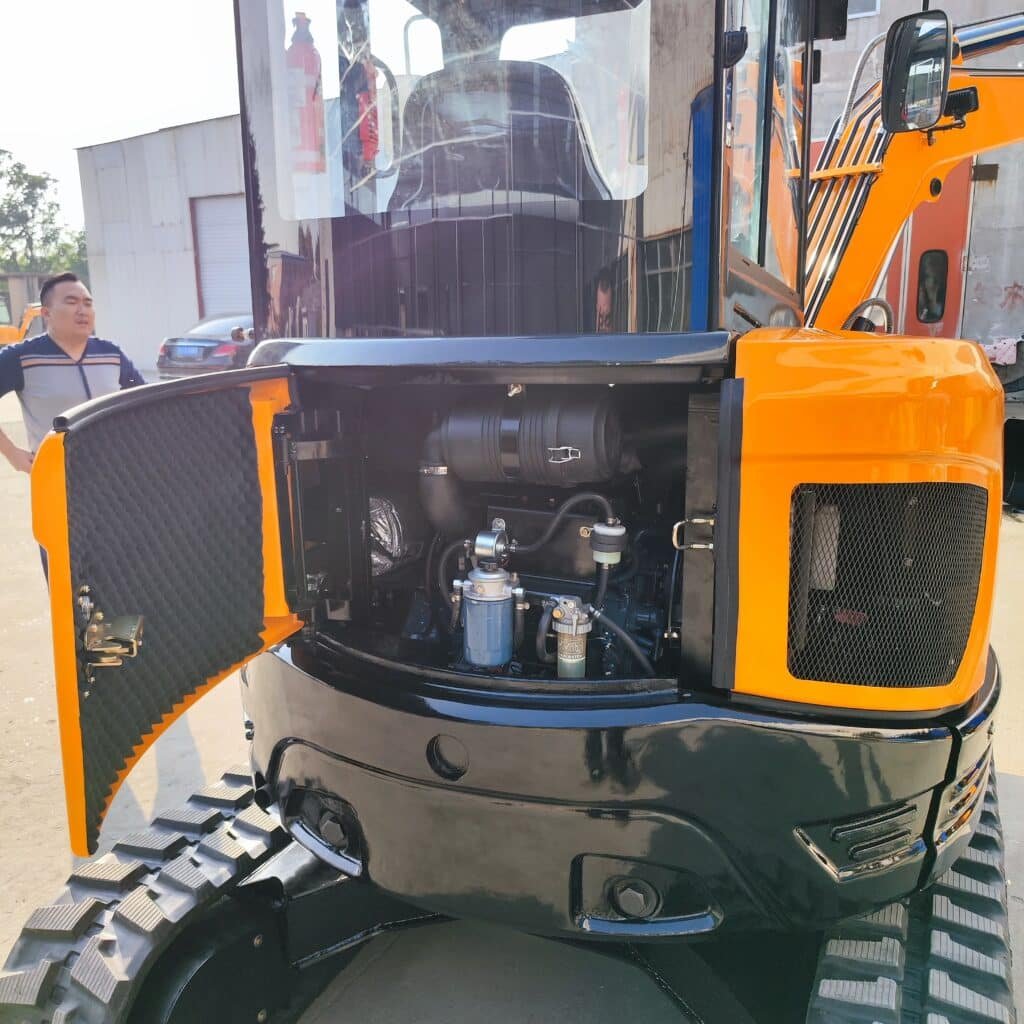
Even small excavators require compliant electrical systems.
Typical requirements include:
- Proper wiring insulation
- Water-resistant connectors
- Safe battery installation
- Circuit protection
These prevent electrical fires or system failures.
Documentation and Certification Verification
One of the biggest risks in importing machinery is fake or incomplete certification.
Buyers should always verify:
Certificate Authenticity
Check that the certificate includes:
- Manufacturer name
- Machine model
- Serial number range
- Certification authority
Technical Files
Reliable suppliers maintain detailed documentation, including:
- Design drawings
- Test reports
- Compliance declarations
These documents are often required during customs checks.
Factory Quality Control: The Real Difference Behind Compliance
Certification alone is not enough.
The factory’s quality control process determines whether machines truly meet standards.
Reliable factories usually follow several inspection stages.
Incoming Parts Inspection
Before assembly, components such as:
- engines
- pumps
- hydraulic valves
are inspected to ensure they meet specifications.
Assembly Inspection
During production, technicians check:
- torque values
- hose routing
- electrical connections
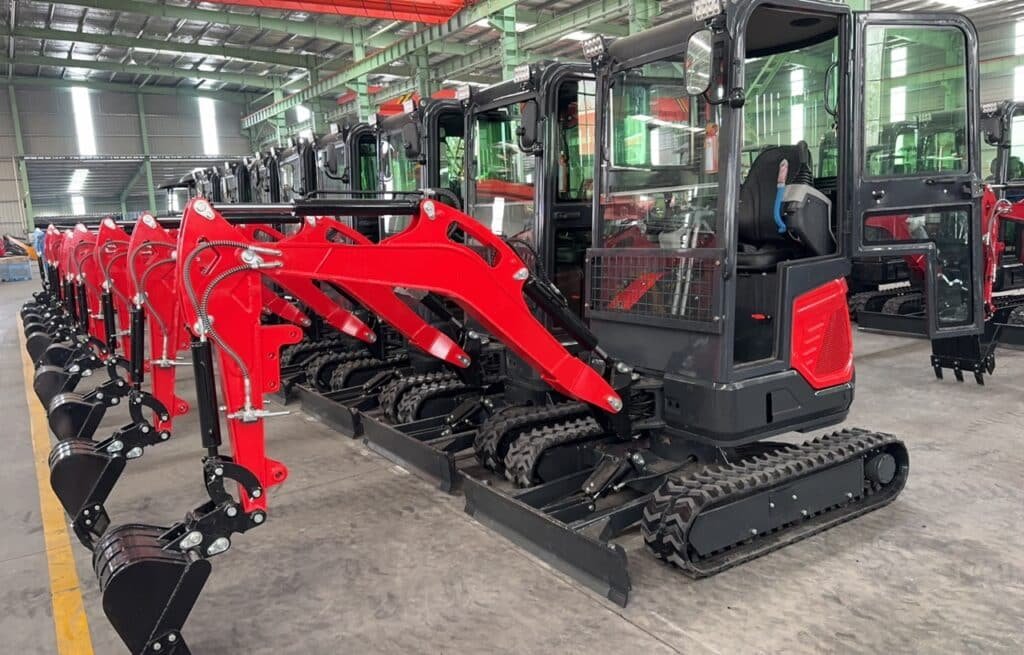
Final Machine Testing
Each machine should undergo:
- hydraulic pressure testing
- operational checks
- safety system verification
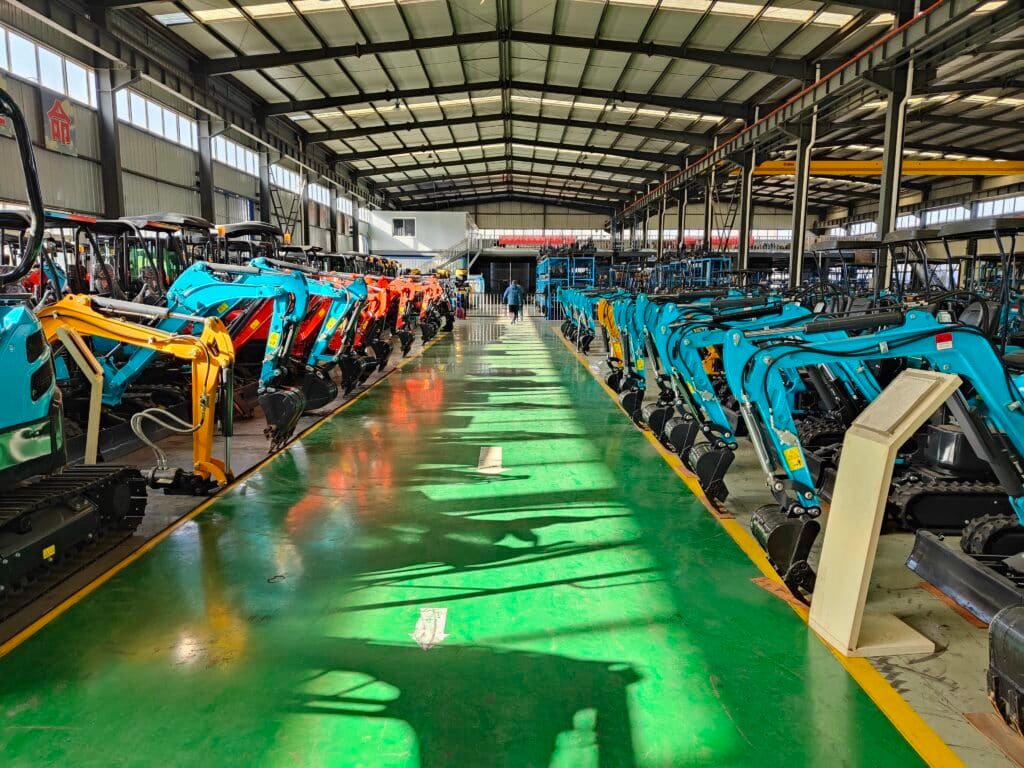
Factories exporting to Europe and North America perform 100% functional testing before shipment.
Manufacturers such as Nicosail, which regularly supply machines to demanding markets, typically maintain these procedures to ensure compliance and reliability.
How Reliable Manufacturers Like Nicosail Ensure Compliance
Factories experienced in export markets usually design machines with international compliance in mind from the beginning.
Typical practices include:
- Using certified engines for emission compliance
- Designing frames according to international safety requirements
- Performing structural durability testing
- Maintaining full certification documentation
Brands such as Nicosail, which participate regularly in international trade shows and supply machines to Europe and North America, often build machines with these standards already integrated into the design.
For distributors and rental companies, this significantly reduces certification risks.
Practical Inspection Checklist for Buyers
Before purchasing small excavators, buyers should check the following:
Certification
✔ CE certificate
✔ Engine emission certification
✔ Declaration of conformity
Machine Safety
✔ ROPS structure
✔ Seat belt system
✔ Hydraulic lock lever
Structural Quality
✔ Boom welding quality
✔ Reinforced frame
✔ Heavy-duty pins and bushings
Hydraulic System
✔ Leak-free hoses
✔ Pressure relief valves
✔ Quality hydraulic pump
Factory Capability
✔ Export experience
✔ Quality control procedures
✔ Testing before shipment
Common Certification Risks Buyers Should Avoid
Some common problems appear repeatedly in the industry.
Fake Certificates
Some suppliers reuse certificates from different machine models.
Always verify model numbers.
Non-Compliant Engines
Engines without emission approval may cause customs rejection.
Incomplete Documentation
Missing documents can delay customs clearance for weeks.
Low-Quality Structural Design
Machines built without proper testing may develop cracks during heavy use.
FAQ – Questions Buyers Often Ask
Do all mini excavators need CE certification?
If machines are sold in the European Union, CE certification is mandatory.
Can a machine pass customs without emission certification?
In most developed markets, no. Emission documentation is usually required.
How can buyers verify a certificate?
Certificates should include traceable information such as:
- certification authority
- manufacturer name
- machine model
If uncertain, buyers can request the original certification documents.
Are compliant machines always more expensive?
Not necessarily.
Machines built correctly from the beginning usually cost only slightly more but avoid major risks.
Why do some machines look similar but differ in compliance?
External design can be copied easily, but internal engineering, testing, and documentation are harder to replicate.
Final Thoughts
Ensuring that small excavators meet international standards is essential for:
- legal market access
- operator safety
- long-term machine reliability
Buyers should always focus on:
- verified certifications
- compliant engines
- structural durability
- reliable factory quality control
Working with experienced manufacturers that regularly export to strict markets—such as Nicosail—can significantly reduce compliance risks.
In the end, choosing machines that meet international standards is not just about regulations.
It is about protecting your business reputation, avoiding costly delays, and delivering reliable equipment to customers.