
Creating the Perfect Landscape: The Limitless Possibilities of Mini Excavators in Garden Design
A beautiful garden rarely starts with flowers.
It starts with digging, grading, clearing, shaping, lifting, trenching, and moving material from one place to another. That is the part many people do not see when they admire a finished outdoor space. Behind clean stone paths, neat ponds, healthy planting beds, and smooth lawns, there is always groundwork. And that groundwork decides whether the landscape will look good for years or start causing trouble after the first rainy season.
That is exactly where mini excavators have changed the game.
In garden design, a mini excavator is not just a digging machine. It is a shaping tool. It helps turn ideas on paper into real, usable, attractive outdoor spaces. For landscaping contractors, rental companies, dealers, and even property owners with bigger land projects, a good mini excavator can save time, cut labor costs, reduce rework, and make jobs look much more professional.
The best part is that mini excavators are no longer only for heavy construction sites. Today, they are widely used in gardens, farms, villas, parks, backyard renovation, irrigation work, tree planting, fencing, drainage, and all kinds of small-to-medium landscaping projects.
For anyone planning outdoor work, the real question is no longer whether a mini excavator is useful. The real question is how much work it can actually take over.
The answer is: a lot more than most buyers expect.
Why Mini Excavators Matter in Modern Garden Design
Garden design today is about more than planting a few shrubs and laying some grass. Clients want outdoor spaces that look clean, feel natural, drain well, and stay easy to maintain. That means the ground has to be prepared properly from the start.
A mini excavator helps with that in a very practical way.
It can enter tight spaces where larger machines cannot go. It can work near walls, fences, greenhouses, garages, pathways, and existing structures. It can dig with much better control than a backhoe in small residential areas. And compared with pure manual labor, it makes the whole process much faster and far less tiring.
In many landscaping jobs, space is limited and finish quality matters a lot. A machine that is too big can damage the site. A machine that is too weak can slow the whole crew down. That is why mini excavators are such a strong fit for garden design. They sit right in the middle: compact enough for narrow access, but powerful enough to handle real ground work.
This matters for both B2B and B2C buyers.
For contractors and rental companies, mini excavators create more job opportunities because one machine can serve many tasks. For dealers and importers, they are attractive because market demand stays broad. For farmers, garden owners, and property developers, they make landscape work manageable without depending fully on a large labor team.
In simple words, mini excavators help get more done with less mess.
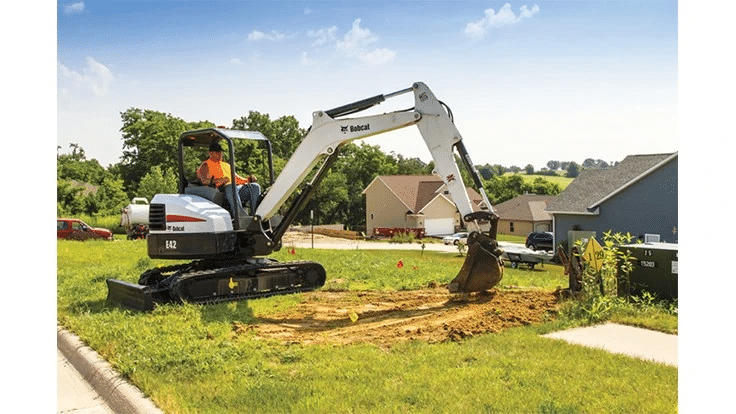
What Makes Mini Excavators So Useful for Landscaping
There are several reasons mini excavators fit garden work so well.
Compact size for tight access
Many garden projects happen behind houses, between buildings, or inside fenced areas. Sometimes the access gate is narrow. Sometimes there is only a path along the side of the house. A compact mini excavator can pass through these spaces much more easily than larger construction equipment.
That alone opens up many project types, especially in residential landscaping.
Lower ground damage
Garden work is sensitive work. The site may already have paving, lawn sections, irrigation lines, decorative borders, or tree roots that must be protected. A mini excavator, especially with rubber tracks, is much gentler on finished surfaces than larger machines.
This is very important for renovation jobs where part of the landscape is already completed and only one section needs to be rebuilt.
Better control
A skilled operator can shape terrain very accurately with a mini excavator. That matters when building flower beds, leveling pathways, cutting drainage slopes, or digging around existing plants and structures.
A rough machine makes a rough garden. A compact and responsive machine helps create a cleaner result.
Multi-function value
One mini excavator can do much more than excavate. With the right attachments, it can break hard ground, drill holes, grab branches, grade soil, and handle many material-moving tasks.
For buyers, this means better return on investment. Instead of buying different machines for every small job, one machine can cover a large part of daily landscape work.
Core Garden Design Jobs a Mini Excavator Can Handle
This is where the real value becomes clear. A mini excavator is useful through almost every stage of a landscaping project.
Site clearing
Before a beautiful garden can take shape, the site often needs cleaning. That may mean removing weeds, old shrubs, roots, stumps, broken paving, unwanted soil piles, or leftover construction waste.
A mini excavator speeds up site preparation and helps crews start clean and organized.
Digging planting holes
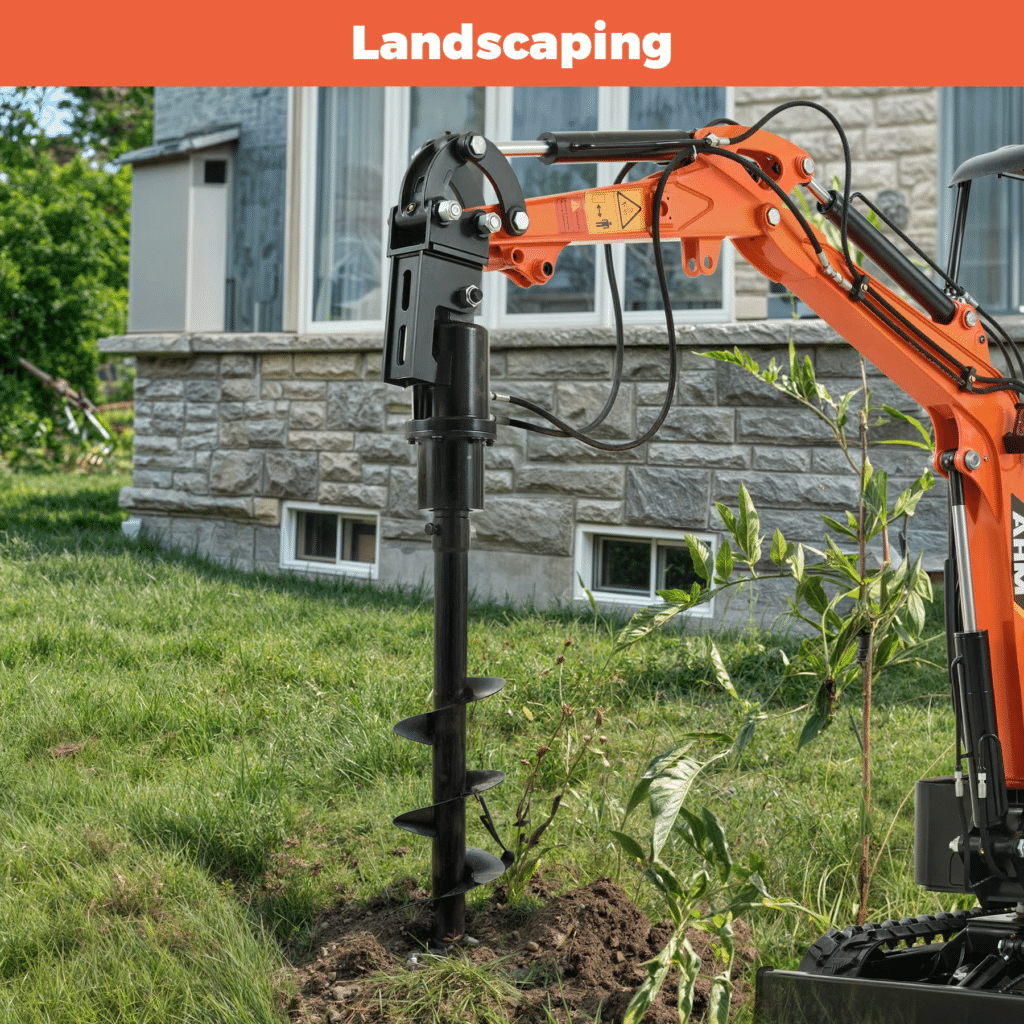
Tree planting is one of the most common uses. Digging large planting holes by hand takes time and drains labor energy fast. A mini excavator can handle this in a fraction of the time, especially when multiple trees or bigger specimens need to be installed.
This also makes hole size more consistent, which helps planting quality.
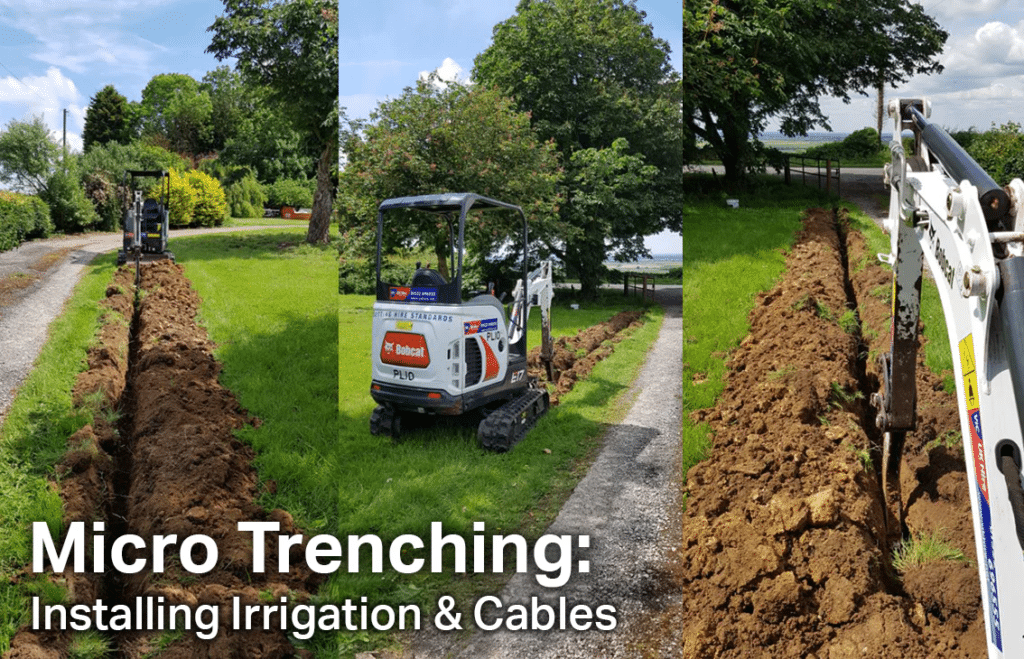
Trenching for irrigation and drainage
A good garden is not only about looks. It also needs proper water control. Irrigation pipes, electrical cable lines for lighting, and drainage channels all require trenching.
This is one of the strongest use cases for mini excavators. Clean trench lines can be cut quickly and accurately, helping the whole project stay on schedule.
Pond and water feature excavation
Ponds, streams, and decorative water features need smooth shaping and proper depth control. A mini excavator makes it much easier to carve out the basin, move excavated material, and prepare the area for liners, rock edging, or filtration systems.
For landscape contractors, this is a major time saver.
Leveling and grading
Every strong landscape starts with proper levels. If the grading is wrong, rainwater can collect in the wrong places, grass may struggle, paving may move, and mud problems can appear.
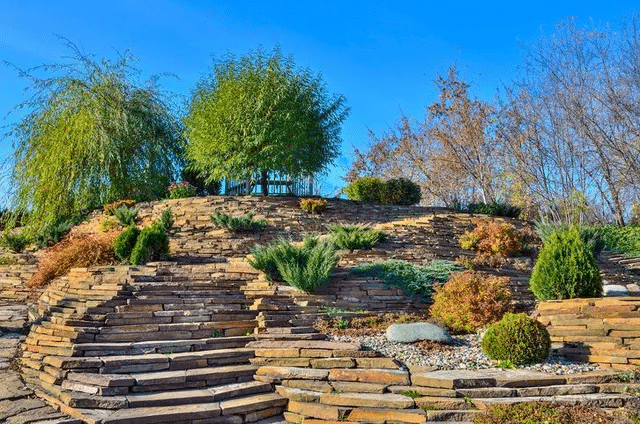
Mini excavators are excellent for cutting high spots, filling low spots, and preparing the basic form of the land. This is especially useful for patios, lawns, pathways, greenhouse areas, and garden terraces.
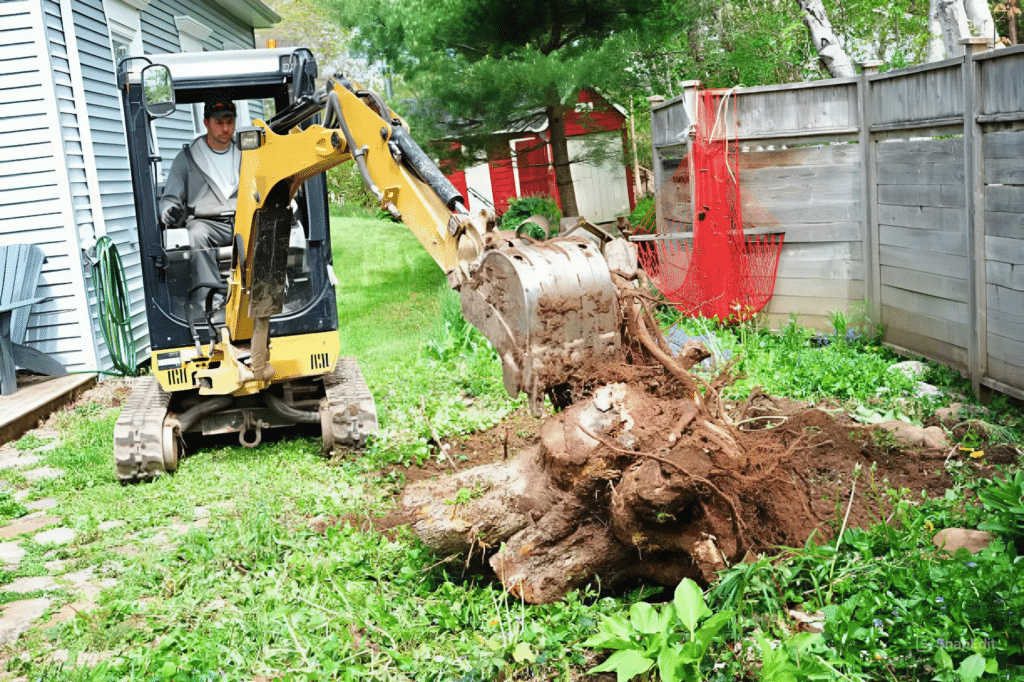
Removing roots and small stumps
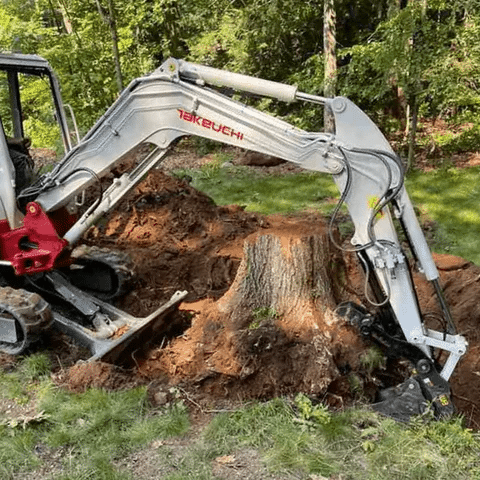
Old roots are a hidden problem in many gardens. They get in the way of replanting, paving, fencing, and drainage work. A mini excavator can pull out many roots and smaller stumps much more easily than manual digging.
That saves labor and helps prevent future sinking or regrowth.
Fence and post preparation
Garden design often includes boundary work such as fencing, pergolas, retaining structures, and decorative posts. A mini excavator with the right attachment can help with digging holes, removing old supports, and preparing the line for installation.
Rock and material handling
Landscaping jobs involve a lot of material movement: stones, gravel, soil, mulch, compost, plants, timber, and concrete pieces. Even when the machine is not the only handler on site, it reduces physical strain and speeds up the workflow.
That is especially useful when labor costs are rising.
How Mini Excavators Improve Speed, Precision, and Finish Quality
Many buyers first look at a mini excavator and think mainly about labor savings. That is true, but it is only part of the picture.
The bigger value is often quality.
Faster project turnaround
A crew that spends three days doing manual digging may finish the same job in one day with a mini excavator. That means more projects can be completed in one week, and customers get quicker delivery.
For contractors, that improves capacity. For rental companies, it increases machine demand. For end users, it reduces disruption on the property.
More consistent results
Hand work depends heavily on the individual worker. One person digs straight, another does not. One gets the level right, another misses it. A mini excavator gives more consistent shaping and depth control across the whole job.
That makes the finished landscape look more professional.
Less rework
Poor trench lines, uneven grading, and rushed digging often lead to rework later. Maybe water does not drain right. Maybe the paving base is not stable. Maybe the tree pit is too shallow. These mistakes cost time and money.
Mini excavators help reduce those problems by making the first pass more accurate.
Cleaner jobsites
A good operator with the right machine can keep the site more organized, with material moved where it belongs and less random mess. This matters more than people think, especially on residential jobs where homeowners are watching every step.
A cleaner jobsite creates more trust.
Best Attachments for Garden and Landscape Work
One reason mini excavators have so much flexibility is attachment choice. A basic bucket handles many tasks, but the right attachment can turn the machine into a much more capable landscaping partner.
Standard digging bucket
This is the everyday tool for trenching, planting holes, site cleaning, and general excavation. Most landscaping projects will use it constantly.
Narrow trench bucket
Very useful for irrigation lines, electrical cable channels, and drainage installation. It cuts cleaner, narrower trenches and reduces unnecessary digging.
Grading or ditch-cleaning bucket
Perfect for shaping slopes, smoothing surfaces, and finishing work around pathways, lawns, and pond edges.
Hydraulic breaker
Helpful when old garden areas include hard concrete, small rock sections, or old foundations that need removal.
Auger
Very useful for fence posts, planting, pergola supports, and other jobs that require repeated hole drilling.
Grapple or thumb
A good choice for handling branches, roots, stones, wood, and irregular debris. This improves efficiency in site clearing and garden renovation.
Rake attachment
Great for cleaning roots, stones, and debris from topsoil during site preparation.
For B2B buyers, attachment compatibility is a serious selling point. A machine that can switch roles quickly is easier to rent out, easier to sell, and easier to justify on cost.
Choosing the Right Mini Excavator for Garden Projects
Not every mini excavator is the right fit for garden design. Buying too large or too small can create problems.
Here are the main points buyers should watch.
Machine size
For garden and landscape work, compact dimensions are often more important than pure digging power. Access width, tail swing, and transport convenience matter a lot.
A machine that fits through gates and works beside walls will usually win more landscaping jobs than one that looks stronger on paper but is harder to place on site.
Operating weight
Lighter machines are easier on lawns and softer ground. Heavier machines give more stability and power. The best choice depends on the job mix.
For residential garden work, many buyers prefer small and mid-range compact units that balance access and performance.
Digging depth
Not every garden job needs deep excavation. But buyers should still check whether the machine can comfortably handle irrigation trenches, drainage channels, pond work, and root removal.
Hydraulic performance
Attachments depend on reliable hydraulic flow. If the machine will use augers, breakers, or grabs, hydraulic performance should be checked early, not as an afterthought.
Undercarriage and track quality
This is one of those “hidden reliability” points buyers sometimes miss. Cheap tracks or weak undercarriage parts may look fine at delivery but wear too fast in real use. Landscaping machines often turn frequently on mixed surfaces, so durable tracks and strong rollers matter.
Ease of maintenance
For busy contractors and rental fleets, simple daily maintenance is a real advantage. Easy access to filters, hoses, grease points, and service areas helps reduce downtime.
Spare parts support
A machine is only as good as its support after delivery. Dealers and importers know this well. Landscaping season is time-sensitive. When the machine stops, the project stops.
That is why serious buyers care about parts availability, communication speed, and technical support just as much as the machine price.
Mini Excavators for Contractors, Garden Centers, and Property Owners
Mini excavators are useful across several buyer groups, but each group looks at them differently.
For landscaping contractors
Contractors usually care about versatility, transport ease, jobsite flexibility, and uptime. They need one machine that can move from trenching to grading to tree planting without slowing down the crew.
For this group, attachment options and service access are very important.
For dealers and importers
Dealers care about product reliability, low complaint rates, easy parts supply, and strong market fit. Garden design and property improvement create steady demand in many countries, especially where residential landscaping, small farms, and light construction overlap.
For dealers, machines that are easy to explain and easy to support are much easier to sell.
For rental companies
Rental customers want simple controls, dependable starting, and low failure rates. In landscaping rental, compact size and low learning pressure are key. Machines that are too complex often create more service calls.
A practical, durable model usually performs best in this channel.
For farms, estates, and private property owners
This group may not use the machine every single day, but when they need it, they need it badly. Drainage repair, tree moving, ditch cleaning, garden building, fencing, and general land maintenance all make a mini excavator extremely useful.
For them, ease of use and long-term value matter more than having every advanced feature.
Common Buying Concerns and How to Avoid Mistakes
Buyers often have the same concerns before ordering a mini excavator for landscaping. These are valid concerns, and they deserve clear answers.
“Will it be too small for real work?”
A mini excavator is small in size, not small in usefulness. For garden design, compact machines are often the better tool because the work area is tighter and the finish needs to be cleaner.
The better question is whether the machine fits the real job mix, not whether it looks big enough in photos.
“Will it damage lawns and paving?”
Any machine can cause damage if used badly. But a properly sized mini excavator with rubber tracks is much safer for finished areas than heavier equipment. Good operation, correct route planning, and protective boards help even more.
“Is it difficult to operate?”
Most mini excavators are much easier to learn than many first-time buyers expect. For light landscaping work, operators often become comfortable quite quickly, especially with clear controls and stable machine balance.
“What about maintenance?”
Maintenance should not be complicated. Daily checks, regular greasing, clean fuel habits, and timely filter service go a long way. The bigger issue is whether the supplier makes maintenance easy with clear manuals, spare parts, and responsive service.
“Is the cheapest machine good enough?”
This is where many buyers lose money.
A low price can look attractive at first, but if the machine arrives with weak hoses, poor finishing, unstable hydraulics, thin steel, or hard-to-find parts, the savings disappear fast. A landscaping machine must start easily, move smoothly, and handle repeated light-to-medium jobs without constant trouble.
A low-cost machine is only a good deal when it stays dependable in daily use.
Why Reliability Matters More Than Sticker Price
In landscaping, downtime hurts more than many people expect.
A delayed drainage trench can hold up paving. A failed machine during tree planting can delay the whole crew. A hydraulic issue in busy season can damage customer trust and make the contractor look unprofessional.
That is why experienced buyers do not judge a mini excavator only by the invoice amount. They look at the full cost of ownership: maintenance, downtime risk, parts support, attachment compatibility, resale value, and expected service life.
This is also why factory strength matters.
A reliable supplier should understand how the machine will be used in real working conditions, not just how it looks in a brochure. Build quality, weld quality, hydraulic routing, component matching, and quality control all influence long-term performance.
In garden design, machines often work in stop-start cycles, tight turns, light excavation, precise digging, and mixed terrain. That may sound easier than heavy construction, but it actually puts different types of stress on the machine. Smooth control and durable everyday reliability become very important.
Why Many Buyers Look at Nicosail for Landscaping Equipment
For buyers comparing options in the compact machinery market, Nicosail is often worth a serious look.
The reason is not just that the product line covers mini excavators and other compact machines. The bigger reason is fit for the real export market. Buyers in Europe, North America, and Australia usually need practical machines that are easy to understand, easy to maintain, and adaptable to different customer needs.
In landscaping, appearance customization can also matter more than people think, especially for dealers building their own local brand. A supplier that can support that while still focusing on machine reliability gives buyers more room to grow their market.
A factory-backed brand such as Nicosail is also more attractive to many importers because communication, production follow-up, and after-sales coordination tend to be clearer than dealing with traders who do not fully control the manufacturing side.
That said, no buyer should choose any machine only by brand name. The smart approach is to check the machine configuration, match it to the target market, confirm service support, and look at whether the supplier understands the end user’s real landscaping jobs.
When those points line up, Nicosail can be a strong option for dealers, contractors, rental fleets, and property owners who want compact equipment that works well in outdoor design and maintenance.
Mini Excavators Make Creative Garden Design More Practical
There is another side to this discussion that buyers sometimes overlook.
Mini excavators do not just make work easier. They make more ambitious design possible.
A customer may want a curved pathway through a sloped yard. A contractor may propose a terraced garden instead of a flat lawn. A property owner may add a pond, a drainage swale, raised beds, boulder features, or a tree line that would have felt too labor-heavy before.
When the machine side becomes easier, design possibilities open up.
That is why mini excavators are not just jobsite tools. They are problem-solvers. They help turn difficult, messy, labor-intensive ideas into projects that are actually realistic to build.
For landscape businesses, that can mean offering more services.
For dealers, that can mean serving more customer types.
For end users, that can mean finally doing the outdoor upgrades they kept postponing.
And that is where the “limitless possibilities” idea becomes real. Not because the machine can do everything, but because it removes so many of the usual barriers.
FAQs About Mini Excavators in Garden Design
Are mini excavators good for residential garden projects?
Yes. They are one of the best choices for residential garden work because they can fit into tighter spaces, reduce manual labor, and handle many common landscaping tasks like trenching, grading, planting, and clearing.
What size mini excavator is best for landscaping?
That depends on access width, soil conditions, and job type. For most garden and light landscape work, compact models that balance maneuverability and enough digging power are usually the safest choice.
Can a mini excavator be used for tree planting?
Yes. It is excellent for digging planting holes, moving soil, preparing root zones, and clearing old roots. It also makes repeated planting jobs much faster and more consistent.
Will a mini excavator ruin grass or paved areas?
Not necessarily. With the right machine size, rubber tracks, and careful operation, site damage can be kept low. Ground protection boards can reduce risk even more.
What attachments are most useful for garden design?
The most useful attachments are usually digging buckets, trench buckets, grading buckets, augers, breakers, and grapples or thumbs for material handling.
Is a mini excavator worth it for a landscaping business?
In many cases, yes. It improves work speed, reduces labor pressure, increases service range, and helps deliver cleaner, more professional results.
What should dealers look for before importing mini excavators for landscaping markets?
They should check build quality, ease of maintenance, attachment compatibility, spare parts support, local market fit, and whether the supplier can provide stable communication and dependable after-sales support.
Why do many buyers choose a factory supplier instead of only comparing price?
Because long-term reliability matters more than the cheapest quote. Factory-backed support, better quality control, and clearer parts supply can reduce risk significantly.
Final Thoughts
The best landscapes are built twice: first in the plan, then in the ground.
Mini excavators make that second part much easier, faster, and more precise. They help shape land, install drainage, prepare planting zones, build water features, move material, and keep projects on schedule. For garden design, they are no longer optional extras. They are one of the most practical tools on the site.
For contractors, they improve efficiency and finish quality. For dealers and importers, they open a wide and stable market. For rental businesses, they offer strong versatility. For farms, estates, and property owners, they turn difficult outdoor work into something manageable.
The key is choosing the right machine, not just the cheapest one.
A good landscaping mini excavator should be compact, stable, easy to maintain, attachment-friendly, and backed by dependable support. That is why buyers looking for long-term value often pay close attention to factory strength and practical product design. Brands like Nicosail stand out when they combine real manufacturing capability, export experience, and equipment that fits actual garden and landscape needs.
In the end, beautiful garden design is not only about creativity. It is also about using the right machine to make good ideas possible.
And few machines open up as many possibilities in modern landscaping as a well-matched mini excavator.