
Introduction: Why small excavators matter in 2025
Small excavators — often referred to as compact or mini excavators — are no longer just “smaller machines.” They’re mission-critical tools on tight job sites, urban projects, rental fleets, landscaping jobs, utilities work and more. With the growth of infrastructure, tighter job-site footprints, and demand for flexibility, the small excavator segment is booming in both Europe and North America.
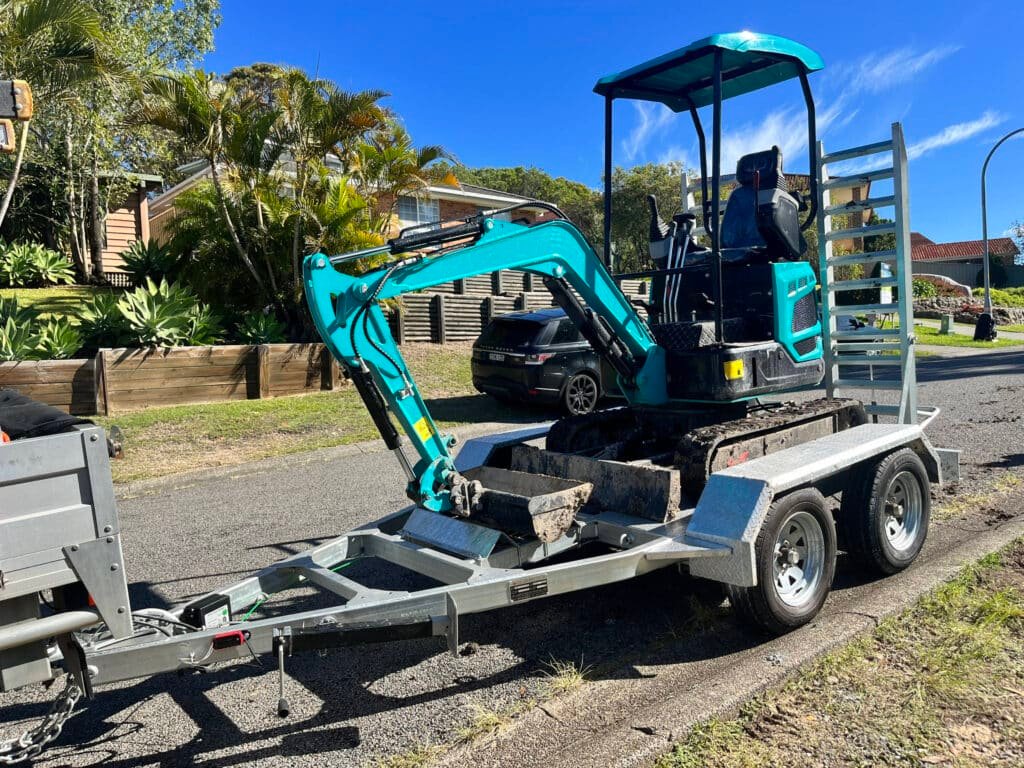
In 2025, you’ll find this segment particularly active because:
- Urban redevelopment in Europe and North America demands machines that fit between buildings, around utilities, and in confined spaces.
- Rental fleets favour compact machines: they’re easier to transport, easier for less-skilled operators, and can be spec’d for multiple tasks. As noted, in Europe more than half of small machines are now distributed via rental channels, and in the U.S. the figure is even higher.
- Emission regulations (e.g., EU Stage V, U.S. EPA Tier 4) push OEMs to innovate in compact packages.
- Resale value and total cost of ownership gain importance: as one article pointed out, well-established brands retain value better in 2025.
Because of all these factors, choosing the right brand for a small excavator is more than picking a name — it’s about support, parts, suitability for your geography, and future-proofing your investment.
Market dynamics: What’s driving demand for small excavators
Let’s dig into the major forces shaping this market in 2025 — so you understand why certain brands are rising.
Rental surge and fleet strategies
Rental companies are the backbone of compact equipment demand. Machines under ~6 tons are especially ideal for rental because they are transportable, versatile, and usable by a wide range of operators. According to industry commentary, OEMs are designing machines not just for skilled long-term owners but for multi-user rental fleets. For you as a buyer (or dealer), that means: durability, ease of maintenance, simplified controls, strong dealer support and strong resale value matter more than ever.
Tight job-sites and evolving applications
Whether it’s renovating a European city street, working in residential landscapes in the U.S., or utility service trenches, the small excavator has to deliver more than just “dig.” Zero-tail swing or minimal tail swing designs, tight transport widths, and diverse attachments are now standard expectations. A blog article highlights that in European markets, brands like Kubota, Takeuchi, Bobcat are dominating because they address these tight-space needs.
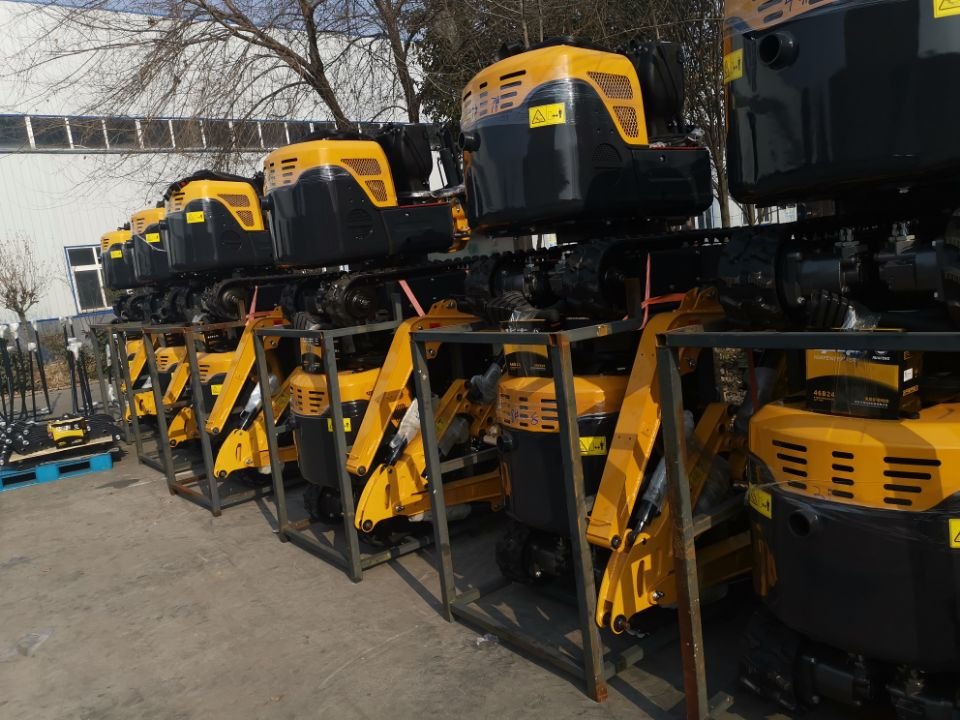
Sustainability, electrification and retrofit pressure
Regulations and customer preferences are shifting. Quiet, fuel-efficient machines with lower emissions are increasingly demanded in both Europe and North America. Some OEMs are introducing hybrid and electric compact excavators, or retrofit kits to adapt older machines. One trend report noted the “design focus on machines for confined jobsites, and the acceleration of electrification and retrofit technology” in 2025.
Globalisation, parts & service networks
Finally, if you buy a machine from a lesser-known brand and you’re in Europe or the U.S., you must ask: where are the spare parts? Where is the service? What’s the resale market like? A machine may be cheap to buy, but if parts are scarce or the brand doesn’t have a strong US/European service footprint, your cost of ownership shoots up.
Key criteria for choosing a small excavator
Before we dive into brand recommendations, it helps to know what to look for. Here are the major decision-factors.
- Weight class and job-site match – A “small excavator” typically means anything from ~1–6 tons (or up to ~10 tons in some compact markets). Choose the weight class that matches your transport/trailer capacity, jobsite space, and required digging depth/reach.
- Engine emissions / fuel efficiency / future ready – In Europe you may need Stage V compliance; in the U.S., Tier 4. Also look for machines that offer optional electrification or hybrid technology.
- Zero‐tail or minimal‐tail swing – In tight workzones this matters a lot: you want to avoid damaging surroundings or hitting utilities.
- Attachment ecosystem & hydraulics – The more versatile the machine (auger, breaker, grapple, tilt-rotator), the more value you get.
- Dealer & service network – A good brand with strong support in your region reduces downtime and long-term cost.
- Resale value / ownership cost – Brands with track records typically yield higher resale value. As one review noted, “not all excavators are equal in terms of resale value… a machine from a trusted brand with a proven performance record will … fetch a higher price.”
- Availability in rental fleet / familiarity – If many rental companies have that brand in your region, you’ll be more confident in parts/support and resale.
Brand #1: Kubota
Kubota is a Japanese company but with a global footprint, well-established in both Europe and North America. Why should you keep Kubota on your shortlist?
- In multiple market reviews, Kubota is cited as a reliability and efficiency leader in the compact excavator space.
- They offer a broad lineup of small excavators, including ultra-compact models for very tight spaces (which is great for European inner-city jobs or U.S. residential jobs).
- Strong dealer network: Because Kubota is well-represented in both continents, parts and service are easier to source.
- Strong reputation: When resale or rental fleet managers make decisions, Kubota is often among the first considered.
If your job-site is tight, and you want a machine that is well-supported and well-known, Kubota is a solid choice.

Brand #2: Bobcat
Bobcat is a U.S.–based brand with strong recognition and an expanding presence in Europe. A few standout points:
- At the 2025 Bauma 2025 show, Bobcat revealed new 1-2 ton mini excavators aimed at the European market, showing its commitment to compact machines.
- The brand is very well known in rental fleets, especially in North America, meaning support, attachments and parts are broadly available.
- Bobcat’s strength is in their broad attachment ecosystem and the practical versatility of their machines, which is ideal in variable-jobsite scenarios where you may switch tasks frequently.
If you are in North America or have operations in both the U.S. and Europe, Bobcat gives you consistency and a strong brand.

Brand #3: Caterpillar
Caterpillar (often “Cat”) is the big name everyone knows. Even for small excavators, choosing Caterpillar can make sense.
- Market reviewers list Caterpillar among the top mini excavator brands in 2025.
- The benefit: premium build, strong global support, known resale value.
- If you are working on high-demand sites, need robust attachments, and want a brand that rental firms recognise, Cat can deliver.
The trade-off: higher purchase cost, and you’ll want to verify whether the specific small excavator series offers the tight dimensions, zero-tail or advanced features you need.
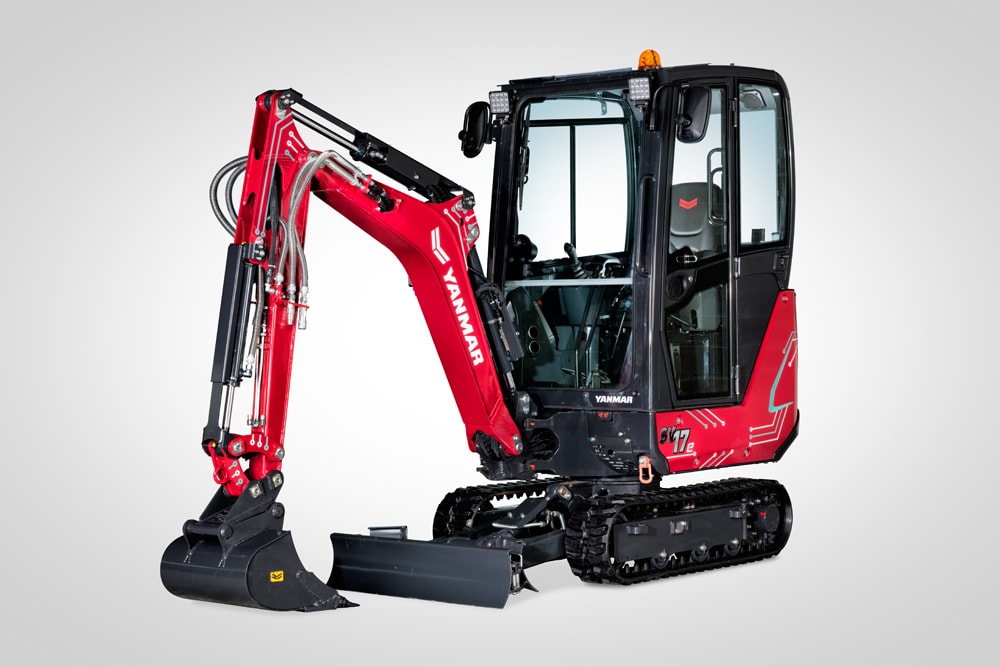
Brand #4: Yanmar
Yanmar is another Japanese brand that has carved out a niche in compact excavators — especially in zero-tail swing and tight-space applications.
- Market commentary cites Yanmar for its “zero tail swing” technology and efficiency.
- Ideal for urban European sites, landscaping or utility work in North America where access is challenged.
- With growing interest in smart features, Yanmar often offers telematics, remote monitoring and good build quality in their compact machines.
If your work is highly access-restricted, Yanmar is worth strong consideration.
Brand #5: Volvo CE
Volvo CE (Volvo Construction Equipment) brings European heritage and sustainability focus. Why choose them?
- In equipment company listings, Volvo CE is recognised for its strong global presence, innovation and operator comfort.
- For Europe, the brand aligns well with tight regulatory emissions and operator-comfort expectations.
- In North America, while slightly less ubiquitous in the ultra-small class than some U.S. brands, the premium appeal and sustainability credentials may align with certain buyer values.
If you prioritise operator comfort, fuel efficiency and brand prestige, Volvo CE is a strong pick.
Brand #6: Takeuchi & other niche specialists
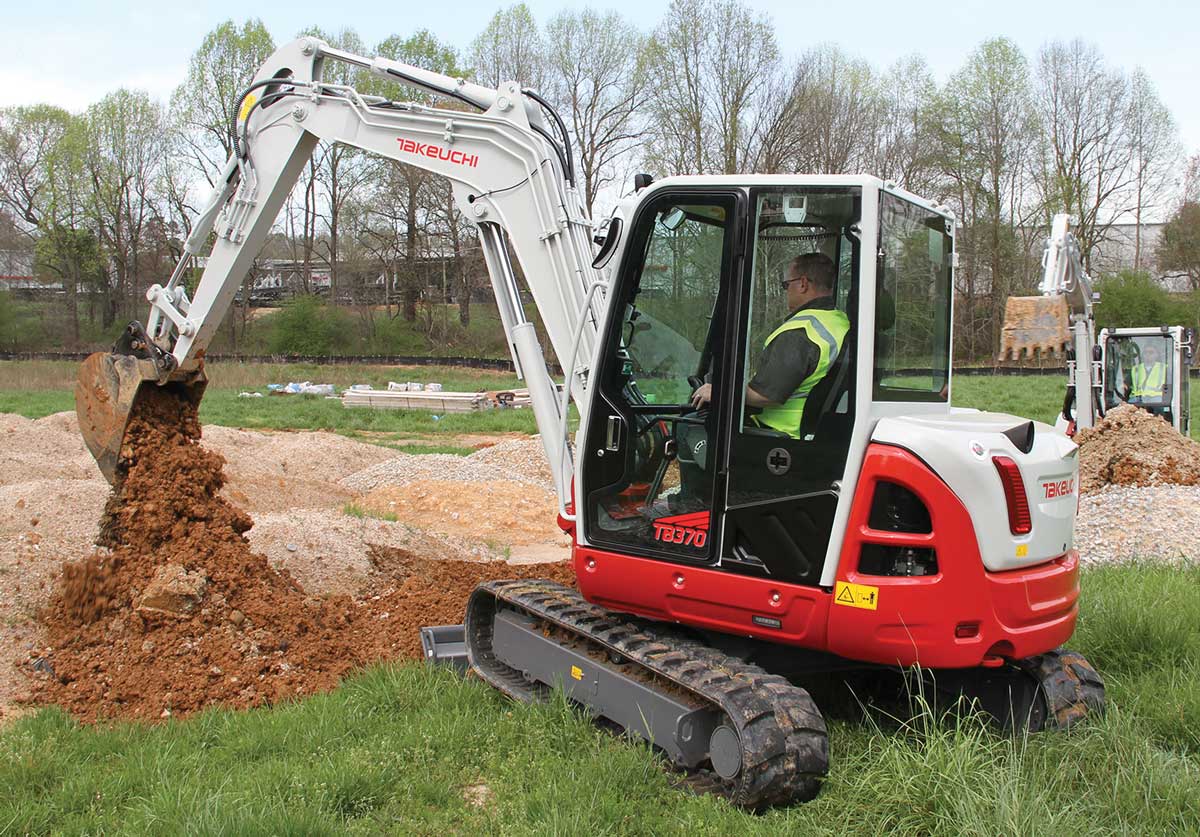
Takeuchi is a brand that often doesn’t dominate headlines but is very respected in compact excavators for tight spaces.
- Takeuchi has been around for decades and is especially known in Europe for smaller excavators designed for landscaping, municipal work and tight jobsites.
- These niche specialists can offer value — slightly lower purchase cost, strong job-specific design — but the risk is in support, parts or resale compared to the big brands.
If you’re buying a machine for a specific niche application and budget matters more than brand prestige, a Takeuchi (or similar niche brand) may be viable.
Brand to know: Nicosail
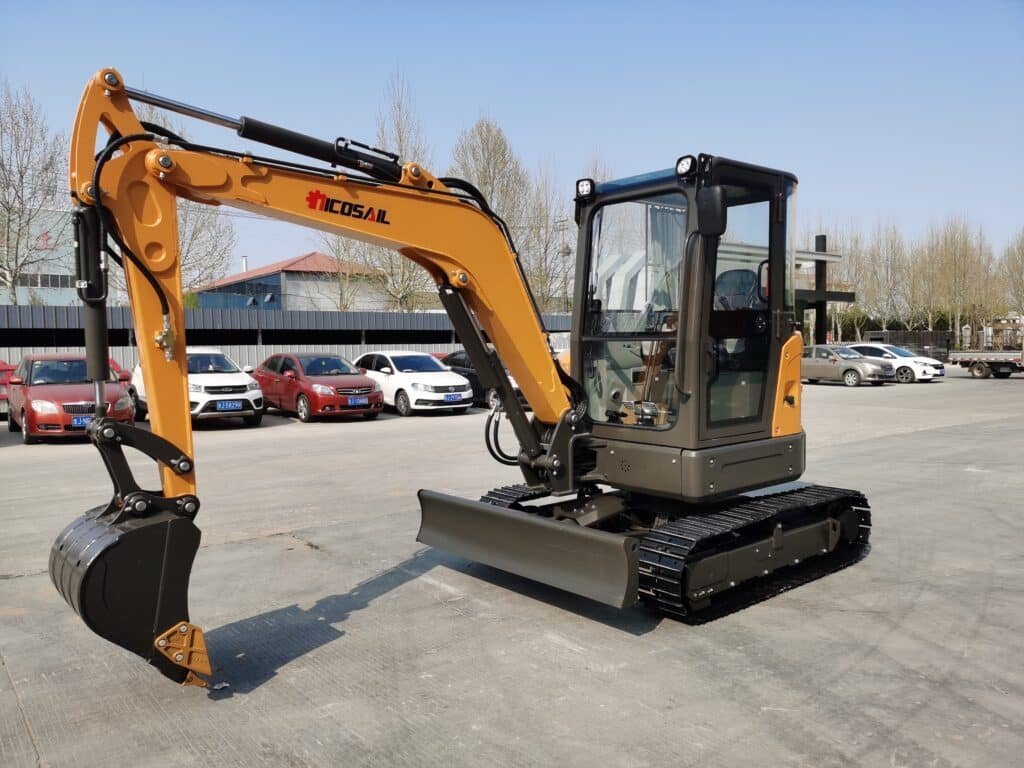
Now, let’s talk about Nicosail — an emerging brand that deserves mention in 2025, though I want to emphasize it’s not being treated here as the sole recommendation or a marketing piece. Rather, it’s wise to keep such newer players on your radar.
- Nicosail appears in some listings of small-excavator brands targeting both European and U.S. markets (or at least globally-oriented).
- What a buyer should ask: What dealer network does Nicosail have in Europe or the U.S.? What parts support do they offer? What is their reputation for reliability, resale value, and local service?
- The advantage of such a newer brand may be competitive pricing, fresh design, and potentially strong value. The risk: less established support, fewer resale precedents, possibly weaker parts supply in remote geographies.
In short: if you’re considering a machine from Nicosail, do your due diligence — treat it with the same scrutiny you would apply to long-standing brands. It can be a viable option — but weigh it carefully against brand-support, parts, service, and long-term value.
Comparative summary: How these brands stack up
Here’s a simplified table comparing strengths across the brands we’ve discussed.
| Brand | Region of strength | Typical smallexcavatorsmall excavatorsmallexcavator focus | Key strengths | Things to check |
|---|---|---|---|---|
| Kubota | Global (strong EU/US) | Ultra-compact through mid-size | Reliability, wide dealer base | Model depths/specs vs job-site needs |
| Bobcat | U.S. + European growth | 1-6 ton class | Rental-friendly, attachments ecosystem | European parts availability if outside U.S. |
| Caterpillar | Global premium | Small through large | Brand reputation, resale value | Higher cost, ensure small class features |
| Yanmar | Europe + U.S. niche | Zero tail swing compact | Tight access design, efficiency | Support network in your exact region |
| Volvo CE | Europe strong, U.S. growing | Compact premium segment | Comfort, sustainability, innovation | Price premium, verify local dealer stock |
| Takeuchi (niche) | Europe-specialist | Tight-space / landscaping | Job-specific design, value | Less global parts/brand recognition |
| Nicosail | Emerging global | Small excavators (watch) | Potential cost-value benefit | Support network, part availability, brand track record |
Trends to watch in 2025 and beyond
Keeping abreast of where the market is headed helps you choose a brand that won’t feel outdated in a few years.
- Electrification / hybrid compact excavators – As inner-city work grows and emission limits tighten, machines that offer electric or hybrid options will gain appeal. This could shift which brands lead.
- Telematics, remote monitoring, smart features – Data-driven maintenance, remote diagnostics and user-friendly interfaces are no longer extras — many brands now build them into compact excavators.
- Rental-friendly design – With rental dominating small excavator distribution, OEMs are designing machines to withstand multiple operators, less skilled users, easier maintenance and more uptime.
- Localised service & parts supply in Europe and America – Global supply-chain disruptions have taught the industry that local support matters. Some brands are investing in local production or assembly in North America and Europe.
- Resale value and total cost of ownership (TCO) – Smart buyers look beyond purchase price to fuel cost, maintenance intervals, parts cost, downtime and resale. Brands that show strong value retention will stand out.
How to pick the best brand for your needs
Here’s a quick guide to help you match brand to your situation:
- Define your jobsite – Urban vs rural? Tight vs open? Europe vs U.S? Transport constraints?
- Define your usage – Rental fleet? Owner-operator? Landscaping/utility vs heavy construction?
- Map your support network – Does your region have dealers for Brand X? Are parts stocked locally? How about service techs?
- Check machine specs vs brand promise – Zero-tail? Engine emissions rating? Trailer-friendly weight? Attachment compatibility?
- Check ownership cost & resale history – Does the brand have a record in your region? Do rental operators use it? Are used machines in demand?
- Budget vs value – Sometimes a “cheaper” brand will cost more in parts or downtime. Balance upfront cost with long-term cost.
- Future-proofing – If you may pivot to rental, or emission rules tighten, or want electrification later — choose a brand that has roadmap.
- Demo if possible – Try the machine, check controls, track drive, ease of maintenance, operator comfort.
Financing, ownership & resale considerations
Beyond just picking a machine, how you own it matters. Here are a few thoughts:
- Many rental companies emphasise models that retain high resale value – because they know the machine may change hands. One article emphasises that trusted brands command better resale.
- Purchase vs rental: If you’ll only use the machine intermittently, you might rent rather than buy. Since rental fleets favour compact machines heavily (especially in Europe and U.S.) this affects your choice of brand because rental-friendly machines might have features you’ll benefit from.
- Ownership cost: Fuel, maintenance, parts and downtime all add up. A machine that costs a bit more upfront but has excellent service support might save you money over 5 years.
- Resale market: If you might sell the machine later or upgrade, choose a brand that is well known in the “used” market in your region — easier to resell, better value.
Case studies or use-scenarios
Here are quick imagined scenarios to bring things to life:
- Scenario A: European urban landscaping contractor – You often work in old cities, tight alleys, pedestrian zones. You need a compact excavator ≤ 2.5 tons, zero-tail swing, easy to trail. A brand like Yanmar or Takeuchi might appeal. Dealer coverage in your country matters. You also care about low noise and emissions.
- Scenario B: U.S. utility rental fleet – You operate in multiple states, supplying contractors who sometimes have less-trained operators. You need a brand that has wide U.S. dealer support, a strong attachment ecosystem, and machines designed for rental durability. Bobcat or Caterpillar might be top choices.
- Scenario C: Multi-region construction firm (Europe & North America) – You want global consistency, parts support across both continents, and you anticipate shifting some machines between regions. Brands like Kubota or Volvo CE might offer the network and global support you need.
Challenges and pitfalls
Of course, no discussion is complete without pointing out what to watch out for:
- After-sales/service gaps with lesser-known brands – If you pick a brand with limited regional support (like an emerging brand), you may find spare parts take longer, service techs are fewer, and downtime is higher.
- Emissions/regulation compliance differences – A machine compliant in Europe may not be in the U.S., or vice versa. Be sure the model you buy meets your local standards.
- True cost of ownership vs upfront savings – A seemingly cheaper machine might have higher fuel usage, slower dig speed, or higher maintenance.
- Resale risk with new/less-established brands – If the brand doesn’t yet have strong used-market demand, you may find it harder or slower to sell later.
- Spec matching vs hype – Some brands market “zero tail swing” or “electric ready” but in the field the actual performance or support may lag. Always verify via demo or reviews.
Conclusion & final recommendations
To wrap up: if you’re shopping for a small excavator in Europe or America in 2025, the good news is there are excellent brands to choose from. The bad news is there’s no one-size-fits-all winner — the best choice depends on your jobsite, usage pattern, support network and budget.
If I were to summarise:
- For broad reliability and support: Kubota or Caterpillar.
- For rental-friendly, attachment-rich versatility: Bobcat.
- For tight spaces and urban sites: Yanmar or Takeuchi.
- For premium comfort/sustainability in Europe: Volvo CE.
- For value and an emerging alternative: keep Nicosail on your radar, but apply extra scrutiny.
- Always evaluate support network, parts availability and resale value — these often matter beyond brand name.
With these criteria in hand, you’ll be in a strong position to pick a brand that supports your current needs and sets you up for future success.
Frequently Asked Questions (FAQs)
Q1: What defines a “small excavator”?
A: Typically, a small or compact excavator is one in the 1-to-6-ton weight class (or up to ~10 tons for compact definitions). It’s sized for jobs where space is limited, transport is required, or flexibility is key.
Q2: Why is dealer/support network so important for these machines?
A: Because parts, service techs and local responsiveness directly impact downtime and total cost of ownership. Even the best machine is only as good as its local support.
Q3: Are electric or hybrid small excavators worth considering now?
A: Yes — especially if you work in noise-sensitive zones, urban renewal, or have strict emission requirements. The trend is growing in 2025. However, check that charging/infrastructure and the specific machine model support your region.
Q4: How does resale value vary between brands?
A: Brands with strong track records, rental-fleet presence, and wide recognition tend to retain value better. One 2025 article noted that machines from trusted brands fetch higher resale prices.
Q5: What are the biggest cost traps when buying a small excavator?
A: Buying a machine with limited parts support, higher fuel consumption, lower performance than expected, or from a brand with weak resale can all drive up full-cost over time. And don’t forget transport/trailer costs and attachments.
Q6: If I already own one brand, does it make sense to stick with the same brand for consistency?
A: Often yes — sticking with the same brand means operator familiarity, easier parts stocking, consistent service contracts. But don’t let brand loyalty override mismatch with jobsite or support network.
Q7: What advantage does a “zero-tail swing” excavator offer?
A: These machines turn within their track width, so the counterweight doesn’t swing beyond the tracks. This is ideal in tight spaces (urban jobs, landscaping, near walls etc). Brands like Yanmar emphasise this feature.